


 If your website has not been upgraded within the past three to five years, it’s a red flag. Industry research shows that websites old than three to five years begin to show their age and struggle to attract valuable contacts or leads.
Telltale Signs of an Outdated Website
If your website looks old and doesn’t adapt to the user’s viewing choices and needs, you’re likely losing leads every single day. Here are some telltale signs:
- Cumbersome navigation – visitors can’t find what they need
- Dated, generic designs that look like they’re from the 1990s
- Pages that don’t adapt to mobile, tablet, or desktop
- Dropping search results and declining organic visibility
- Difficult to edit and manage internally
- Poor integration with other platforms
When your website looks outdated, customers assume your products and/or services are outdated too. That perception drives them to competitors with modern, responsive sites.
The fix? A strategic website redesign with responsive design by standard, SEO optimization, and a content management system your team can actually use.
Why Responsive Websites Matters
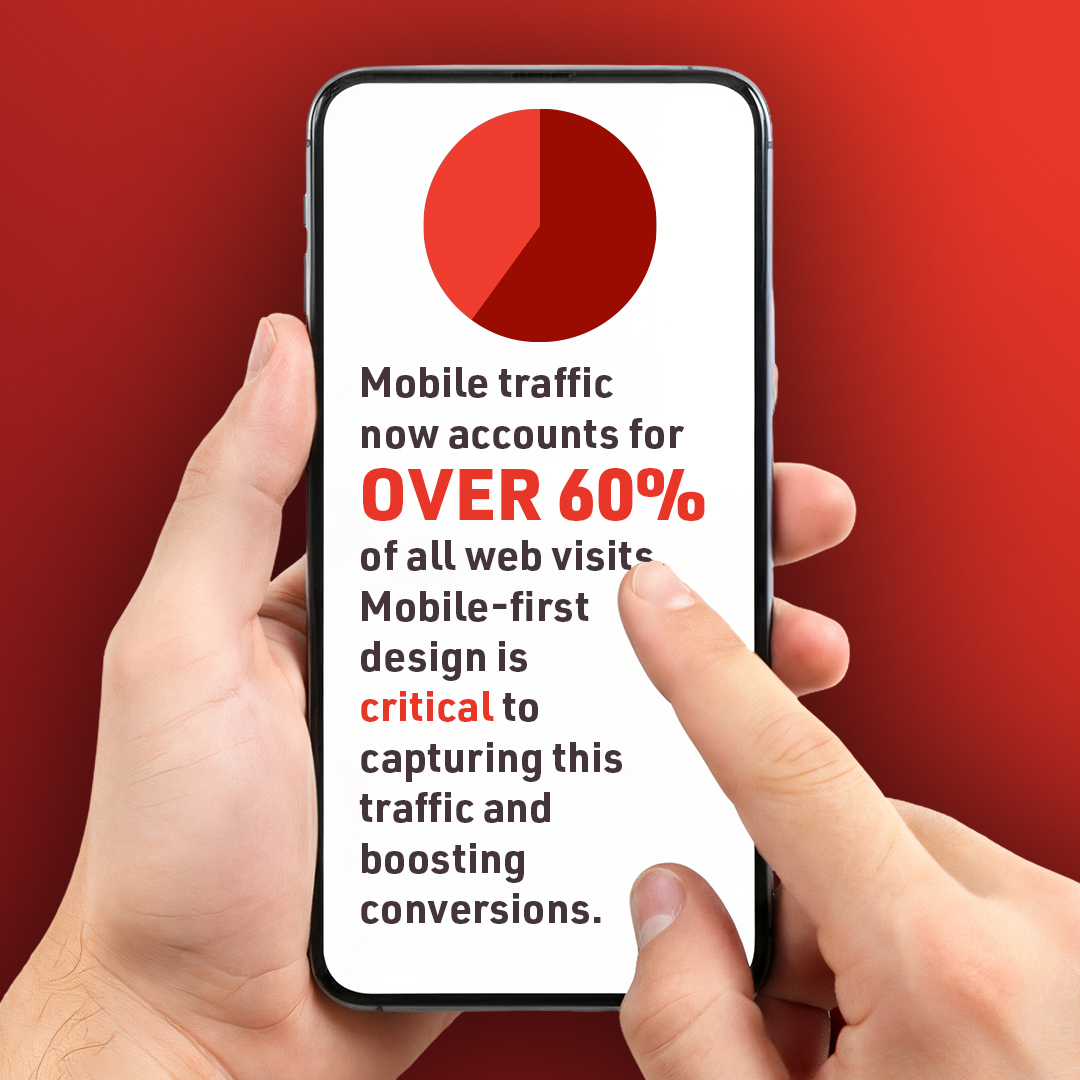
Responsive website design is no longer optional – it’s essential.
Modern responsive design also accounts for modes of interaction such as touch screens. The goal is to optimize the experience for everyone, whether they’re browsing on a 27-inch desktop monitor, a 13-inch laptop, an iPad or a 6-inch smartphone.
The trade show you attended may be over, but the opportunity is just beginning! Now comes the real work: lead follow-up, lead nurturing, and feeding event conversations into the pipeline. Here are a few tips on how to manage and respond. Note: This only works if tied to action:
1. Start with segmenting priority tier
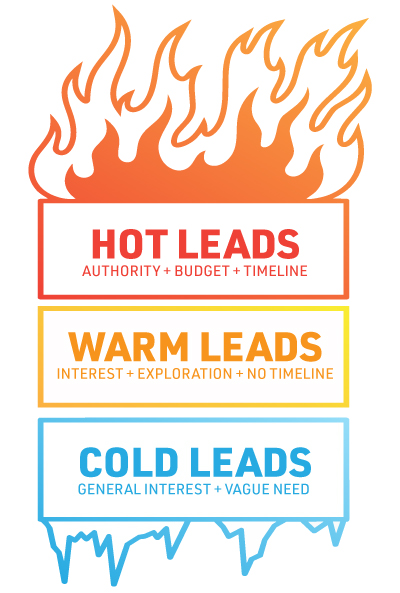
- Hot (A-Leads) – Follow up within 24 hours with tailored message/demo
- Actively researching or ready to buy
- Has budget, authority or direct influence
- Scheduled specific project timeline (e.g., “within 6 months”)
- Warm (B-Leads) – Follow-up within 2-5 days (email, content, invite to webinar)
- Interested, but not urgent
- Exploring options or gathering info
- Cold (C-Leads) – Add to marketing drip campaign
- General interest, students, or vague use of product/need
2. Segment by role & buying influence
- Tag these in your CRM immediately after the conversation while it’s fresh!
- Decision Maker – focus on ROI, outcomes (Owner, President, VP, Director)
- Champions/users – focus on usability, features, pain points
- Gatekeepers/procurement – focus on pricing, compliance
3. Segment by Industry or Use Case
- Organize leads by how they would actually use your solution.
- Industry Sector (e.g., manufacturing, healthcare, construction)
- Specific Use Case (cost/time benefits, automation, compliance, safety)
- Example: Here’s how companies like yours in manufacturing reduced downtime by 30%.
4. Segment by Pain Point/Interest
- List the reason they stopped at your booth
- Cost Savings
- Efficiency/productivity
- Compliance/Risk
- Quality
- Growth/scaling
5. Segment by Engagement Level at Your Booth – Not all conversations are equal.
- High engagement: demo completed, detailed questions
- Medium engagement: short but relevant discussion
- Low engagement: quick scan/badge Swipe only
6. Segment by Geography or Territory – Useful if you have sales reps by region.
- Assign immediate for faster routing
- Helps avoid delays and confusion post-event
7. Segment by Source/Campaign Context – Helps you measure trade show ROI later
- Event Name
- Booth vs. Speaking Session vs. Networking
- Specific campaign or Product Focus
8. Use Simple Lead Scoring Framework
- Combine key criteria into a score:
- 3 = Decision Maker
- 3 = Buying in <6 MONTHS
- 3 = Strong Pain Point
- 1 – High Booth Engagement
- Score Ranges:
- 7-10 = Hot
- 4-6 = Warm
- 0-3 = Cold
9. Capture Data in Real Time – Don’t rely on memory. Segmentation quality drops fast if you wait until after event
- CRM Mobile App
- Lead Retrieval Scanner & Notes
- Quick tagging System (checkboxes)
10. Align Segments to Follow-Up Strategy
- Use Follow-up Marketing Plan Built Prior to Event
- When & How to Follow-Up
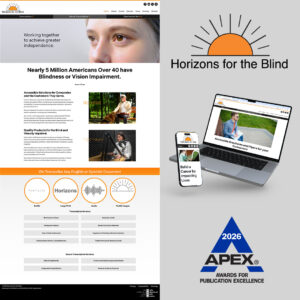 JMS Marketing, Inc., a strategic B2B marketing firm, has earned a 2026 APEX Award for Publication Excellence. The award recognizes outstanding achievements in professional marketing communications. Chosen by a panel of industry judges, JMS Marketing stood out among roughly 1,000 entries for its work on a new website for Horizons for the Blind, an accessibility-focused nationwide organization serving the blind and visually impaired community as well as the companies that serve them.
“This recognition reflects our commitment to delivering clear, strategic, and impactful digital marketing tools, with accessibility built in from the start rather than added later,” said Jean Marie Saidler, President of JMS Marketing, Inc. “We have always focused on helping clients communicate complex ideas and services while adapting to the demands of ongoing traditional and digital transformation.”
With a long history of award-winning work, JMS Marketing focuses on helping contractors, manufacturers and corporate organizations targeting the B2B arena. The firm is known for combining traditional marketing strategies with digital marketing innovation, distinctive creative and compelling storytelling to drive engagement, especially in industries were precision and clarity matter most.
The APEX recognition underscores JMS Marketing’s continued leadership in developing content that not only informs but also elevates industry conversations.