


A Step-by-Step Approach to Segmenting and Converting Leads
The trade show you attended may be over, but the opportunity is just beginning! Now comes the real work: lead follow-up, lead nurturing, and feeding event conversations into the pipeline. Here are a few tips on how to manage and respond. Note: This only works if tied to action:
1. Start with segmenting priority tier
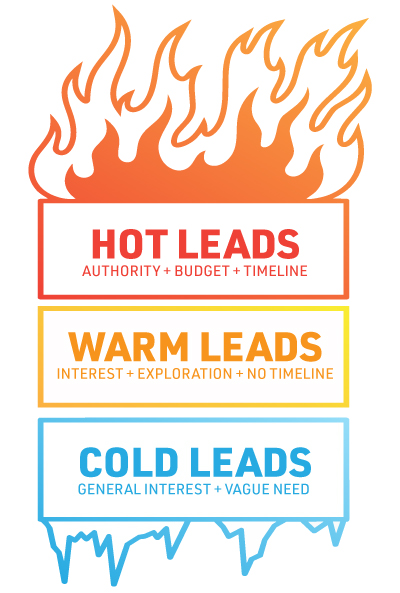
- Hot (A-Leads) – Follow up within 24 hours with tailored message/demo
- Actively researching or ready to buy
- Has budget, authority or direct influence
- Scheduled specific project timeline (e.g., “within 6 months”)
- Warm (B-Leads) – Follow-up within 2-5 days (email, content, invite to webinar)
- Interested, but not urgent
- Exploring options or gathering info
- Cold (C-Leads) – Add to marketing drip campaign
- General interest, students, or vague use of product/need
2. Segment by role & buying influence
- Tag these in your CRM immediately after the conversation while it’s fresh!
- Decision Maker – focus on ROI, outcomes (Owner, President, VP, Director)
- Champions/users – focus on usability, features, pain points
- Gatekeepers/procurement – focus on pricing, compliance
3. Segment by Industry or Use Case
- Organize leads by how they would actually use your solution.
- Industry Sector (e.g., manufacturing, healthcare, construction)
- Specific Use Case (cost/time benefits, automation, compliance, safety)
- Example: Here’s how companies like yours in manufacturing reduced downtime by 30%.
4. Segment by Pain Point/Interest
- List the reason they stopped at your booth
- Cost Savings
- Efficiency/productivity
- Compliance/Risk
- Quality
- Growth/scaling
5. Segment by Engagement Level at Your Booth – Not all conversations are equal.
- High engagement: demo completed, detailed questions
- Medium engagement: short but relevant discussion
- Low engagement: quick scan/badge Swipe only
6. Segment by Geography or Territory – Useful if you have sales reps by region.
- Assign immediate for faster routing
- Helps avoid delays and confusion post-event
7. Segment by Source/Campaign Context – Helps you measure trade show ROI later
- Event Name
- Booth vs. Speaking Session vs. Networking
- Specific campaign or Product Focus
8. Use Simple Lead Scoring Framework
- Combine key criteria into a score:
- 3 = Decision Maker
- 3 = Buying in <6 MONTHS
- 3 = Strong Pain Point
- 1 – High Booth Engagement
- Score Ranges:
- 7-10 = Hot
- 4-6 = Warm
- 0-3 = Cold
9. Capture Data in Real Time – Don’t rely on memory. Segmentation quality drops fast if you wait until after event
- CRM Mobile App
- Lead Retrieval Scanner & Notes
- Quick tagging System (checkboxes)
10. Align Segments to Follow-Up Strategy
- Use Follow-up Marketing Plan Built Prior to Event
- When & How to Follow-Up