


The trade show you attended may be over, but the opportunity is just beginning! Now comes the real work: lead follow-up, lead nurturing, and feeding event conversations into the pipeline. Here are a few tips on how to manage and respond. Note: This only works if tied to action:
1. Start with segmenting priority tier
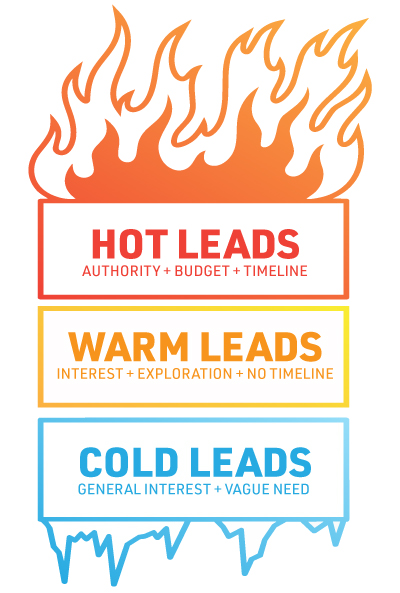
- Hot (A-Leads) – Follow up within 24 hours with tailored message/demo
- Actively researching or ready to buy
- Has budget, authority or direct influence
- Scheduled specific project timeline (e.g., “within 6 months”)
- Warm (B-Leads) – Follow-up within 2-5 days (email, content, invite to webinar)
- Interested, but not urgent
- Exploring options or gathering info
- Cold (C-Leads) – Add to marketing drip campaign
- General interest, students, or vague use of product/need
2. Segment by role & buying influence
- Tag these in your CRM immediately after the conversation while it’s fresh!
- Decision Maker – focus on ROI, outcomes (Owner, President, VP, Director)
- Champions/users – focus on usability, features, pain points
- Gatekeepers/procurement – focus on pricing, compliance
3. Segment by Industry or Use Case
- Organize leads by how they would actually use your solution.
- Industry Sector (e.g., manufacturing, healthcare, construction)
- Specific Use Case (cost/time benefits, automation, compliance, safety)
- Example: Here’s how companies like yours in manufacturing reduced downtime by 30%.
4. Segment by Pain Point/Interest
- List the reason they stopped at your booth
- Cost Savings
- Efficiency/productivity
- Compliance/Risk
- Quality
- Growth/scaling
5. Segment by Engagement Level at Your Booth – Not all conversations are equal.
- High engagement: demo completed, detailed questions
- Medium engagement: short but relevant discussion
- Low engagement: quick scan/badge Swipe only
6. Segment by Geography or Territory – Useful if you have sales reps by region.
- Assign immediate for faster routing
- Helps avoid delays and confusion post-event
7. Segment by Source/Campaign Context – Helps you measure trade show ROI later
- Event Name
- Booth vs. Speaking Session vs. Networking
- Specific campaign or Product Focus
8. Use Simple Lead Scoring Framework
- Combine key criteria into a score:
- 3 = Decision Maker
- 3 = Buying in <6 MONTHS
- 3 = Strong Pain Point
- 1 – High Booth Engagement
- Score Ranges:
- 7-10 = Hot
- 4-6 = Warm
- 0-3 = Cold
9. Capture Data in Real Time – Don’t rely on memory. Segmentation quality drops fast if you wait until after event
- CRM Mobile App
- Lead Retrieval Scanner & Notes
- Quick tagging System (checkboxes)
10. Align Segments to Follow-Up Strategy
- Use Follow-up Marketing Plan Built Prior to Event
- When & How to Follow-Up
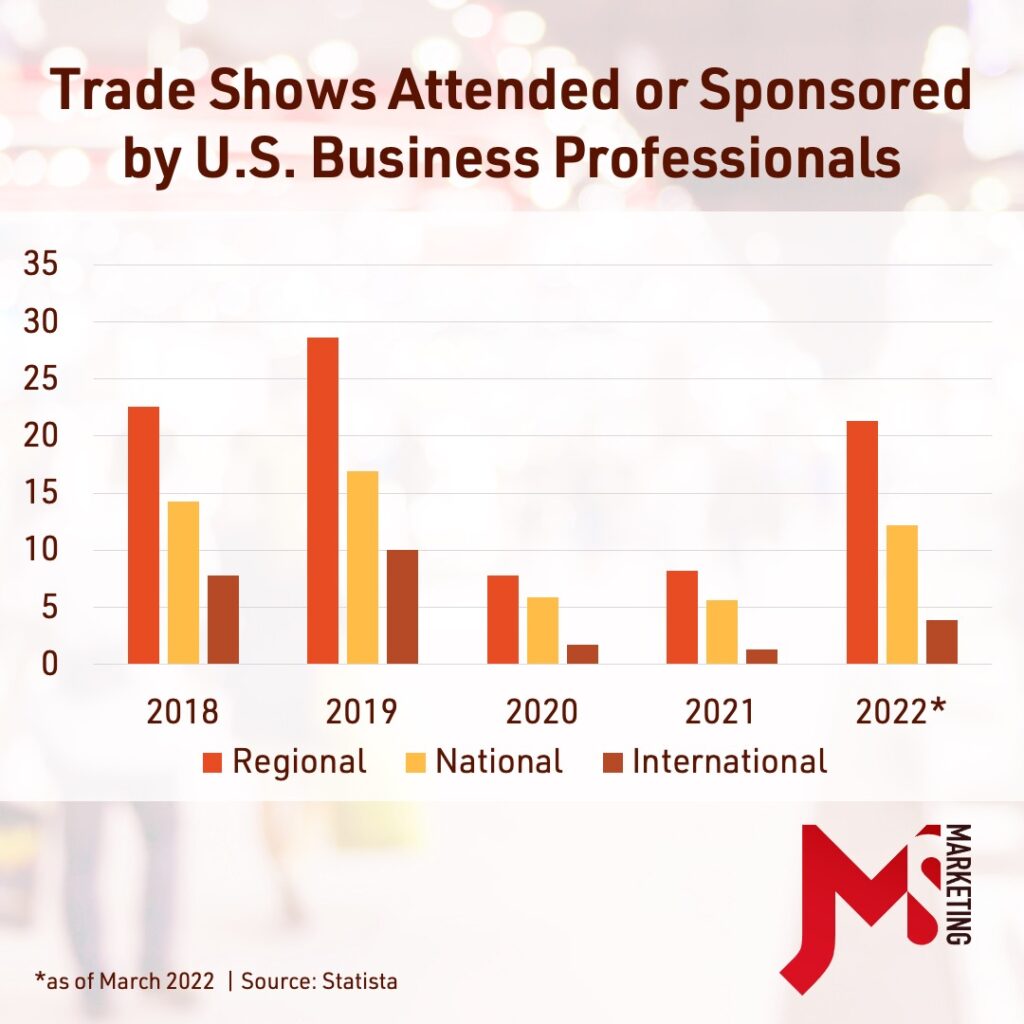 Thankfully, we’re seeing businesses relaxing a bit and considering events with significantly positive expectations post-pandemic. This is a good sign for event sponsorships.
Trade show and event sponsorships can be a great way to build your brand, your reputation, and your industry. But let’s face it, no one knows your brand as well as you. You know how your marketing is delivered and how your brand is presented and leveraged. If you’re not sure if a particular sponsorship is going to meet your goals, it’s best to do a little homework to get a sense of the host organization first. Selecting a sponsorship that means something to your company can positively impact your entire team and your customer base.
To help you decide, we’ve provided the following questions you should ask organizers before selecting an event sponsorship or trade show. There may be a significant cost investment necessary on your end. Be sure to gather as many details from the event organizers as you can. Then weigh the pros and cons against your business goals and objectives. Keep in mind that the amount you’ll pay could be more or less than the industry average depending on the size and popularity of the event.
- Visit the hosting organization’s website. Does it present a professional image? Is it up to date?
- How are sponsors from previous events portrayed on the event website?
- Are there opportunities to speak at the event?
The thought of speaking at an event can be intimidating, but the results are worth a few butterflies. - What type of profile information on past attendees is provided (revenue, number of employees, years in business, etc.)
- Will you receive a list of attendees before or after the event for marketing purposes?
- How will organizers promote the event and your sponsorship? Ask for quantifiable specifics.
- What was final attendance figure from the past two events?
NOTE: this should not include exhibitors, sponsors, or staff. - Are there any competitors within the sponsorship you’re considering?
- What exclusive sponsorship offerings are available and what are their benefits?
Successful event sponsors avoid costly sponsorship marketing mistakes by carefully vetting each sponsorship they sign up for and plan their marketing campaign months in advance. Pay close attention to who’s attending and the visibility of the current sponsors. Align your sponsorship with your mission or goal. The synergy that comes from teaming up for a great organization is certainly media worthy – not to mention it boosts morale and feels good to be building solutions.
COVID-19, none of us had any inkling of what this stood for just a few months ago. Yet here we are, fielding questions about the Coronavirus that has now impacted the meeting and trade show industry. Major U.S. trade shows such as the International Housewares show have already been cancelled. Just that one event quickly drained 45,000 room reservations off the books for Chicago Hotels. A terrible hit for Chicago’s tourism industry. Even more surprising, one of the world’s biggest scientific conferences – the March Meeting of the American Physical Society – was cancelled little more than a day before it was scheduled to begin in Denver.
On a global front, the mobile industry’s largest trade show, Mobile World Congress scheduled in Barcelona this month, announced to nearly 100,000 attendees that it too would be cancelling its upcoming event. And unfortunately, the list goes on and on.
The best response in dealing with issues like this is to be prepared before problems hit, since options become more limited when a disruption is in full swing. Yet we can still take measure now to remain proactive and to identify how we can prepare for an event should a large-scale crisis take place in the future.
Study Credible Research
Dealing with the unexpected is commonplace when planning meetings and conventions. It’s part of the job. Yet it’s vitally important to monitor credible sources of information to help you in your planning process. Here are a few resources to help research the status of COVID-19:
- World Health Organization: Planning recommendations for large events
- Centers for Disease Control and Prevention: Recommendations for traveling
Communicate Responsibly
Once you have confirmed “Plan B” for your event, it’s time to communicate those plans to your audience. Now is also a good time to review your meeting crises communication plan. The Professional Convention Management Association (PCMA), the world’s largest community for business events strategists, produced a helpful reference guide in 2018 which planners have found quite helpful.
Avoid the Hysterics
Not to play down this current issue, but we’ve gone through health scares before. Remember the Swine Flu (H1N1), Bird Flu (H5N1), or SARS (Severe Acute Respiratory Syndrome)? At a time like this, it’s important to stay calm and remain informed with credible resources. Your audience is turning to you for professional advice.
Bottom line? Remain informed, proactive, and deliver clear, timely information.