


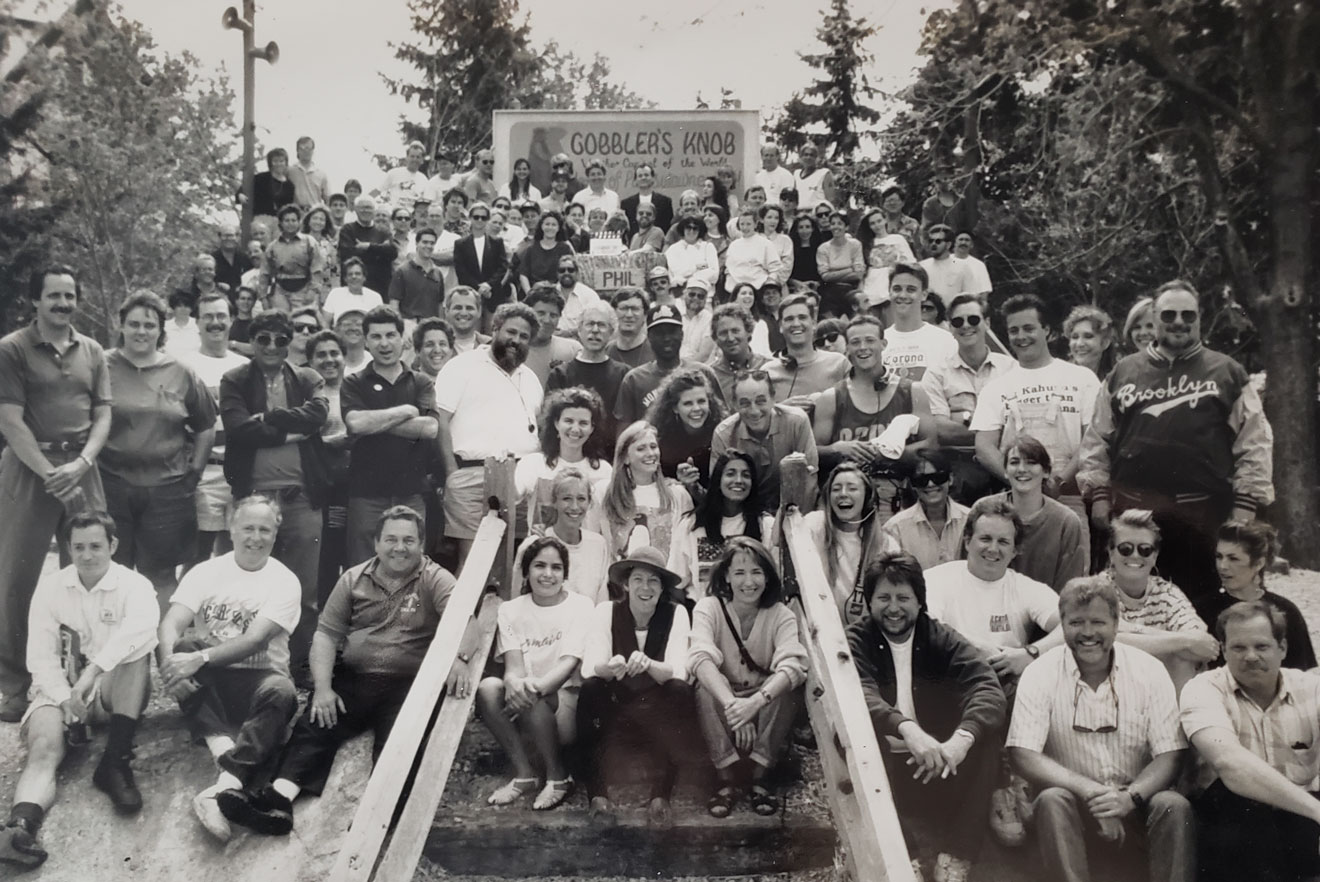
Yes, it’s the month for Valentines, but at JMS Marketing, it’s also a celebration of Groundhog Day. Why? Because the movie from Columbia Pictures, Groundhog Day, was one of our first clients.
This popular movie became an iconic hit thanks to the creative collaboration of Danny Rubin and the late, great Harold Ramis. And once the production company settled on the midwestern town of Woodstock, Illinois for filming (after scouting more than 60 towns), the founder of JMS Marketing, Jean Marie Saidler, was hired to assist their locations department in developing communication campaigns for the local merchants and residents who would experience the realities of filming a movie. It was a fascinating project, and Columbia Pictures made a genuine effort to deliver clear, credible information. This small, Midwest town was about to turn into a movie set. Because of this, they knew that communications needed to be one of its top priorities during production.
Fast forward over 30 years and it’s enlightening to see how both the production company and the movie’s main protagonist, Phil Connors, realized the value of being genuine and authentic. Open, honest communication with local businesses and residents helped move production along without too much disruption. Additionally, Phil discovered the value in being genuine. He became sincerely interested in the town which provided the solution to ending the curse of living the same day over and over…and over again.
Today, genuine, authentic marketing communication, void of hype and hyperbole, is more important than ever. Yet it’s easy to fall back on cookie cutter marketing techniques, stock graphics, and canned marketing jargon when pressured by increasing cost reductions, slow revenue growth, last-minute order changes and/or incessant supply chain issues that impact sales.
There is a solution.
 Companies who want to strike a chord with their customers can position themselves as genuine solution providers with credible resources such as case studies.
Yes, we’ve heard all the objections from sharing trade secrets to exposing valuable production data. Yet by keeping case studies short and positioning them more as success stories, the details can be positioned around how you met the client’s challenge rather than getting into sensitive data details. Besides, most B2B prospects understand the nature of proprietary information. They accept this as a normal practice and will admire that you respect it.
If your challenged with developing case studies, consider the following:
“Success Stories”
Success stories capture the client’s perspective. Offer information on what you were asked to do and how you were able to accomplish the task. Going into details about how you met the challenge helps you respect your client’s proprietary info. Did you accomplish the project on time? Did you deliver additional value or spot additional efficiencies and value for the client along the way? Did you experience budget challenges? How was that accomplished?
“Use Case” Option
This type of B2B content describes how customers can use your product or service to experience results they wish to achieve. You can share specific products and benefits and their key characteristics by describing their use in an existing situation.
For B2B prospects, sales are much more of a process. They include longer sales cycles and multiple levels of approval. That’s why genuine communication is so important. Think in terms of your prospects’ needs rather than your product. Obtain a deep understanding of your targeted audience and what motivates them to make decisions and you’ll both get your jobs done.
After all, even when Phil broke the curse, the first question he asked Rita (Andie MacDowell) was, “What can I do for You?” It wasn’t about him anymore. It was about another’s needs.
Trade Shows & Events: Finding the Right Fit
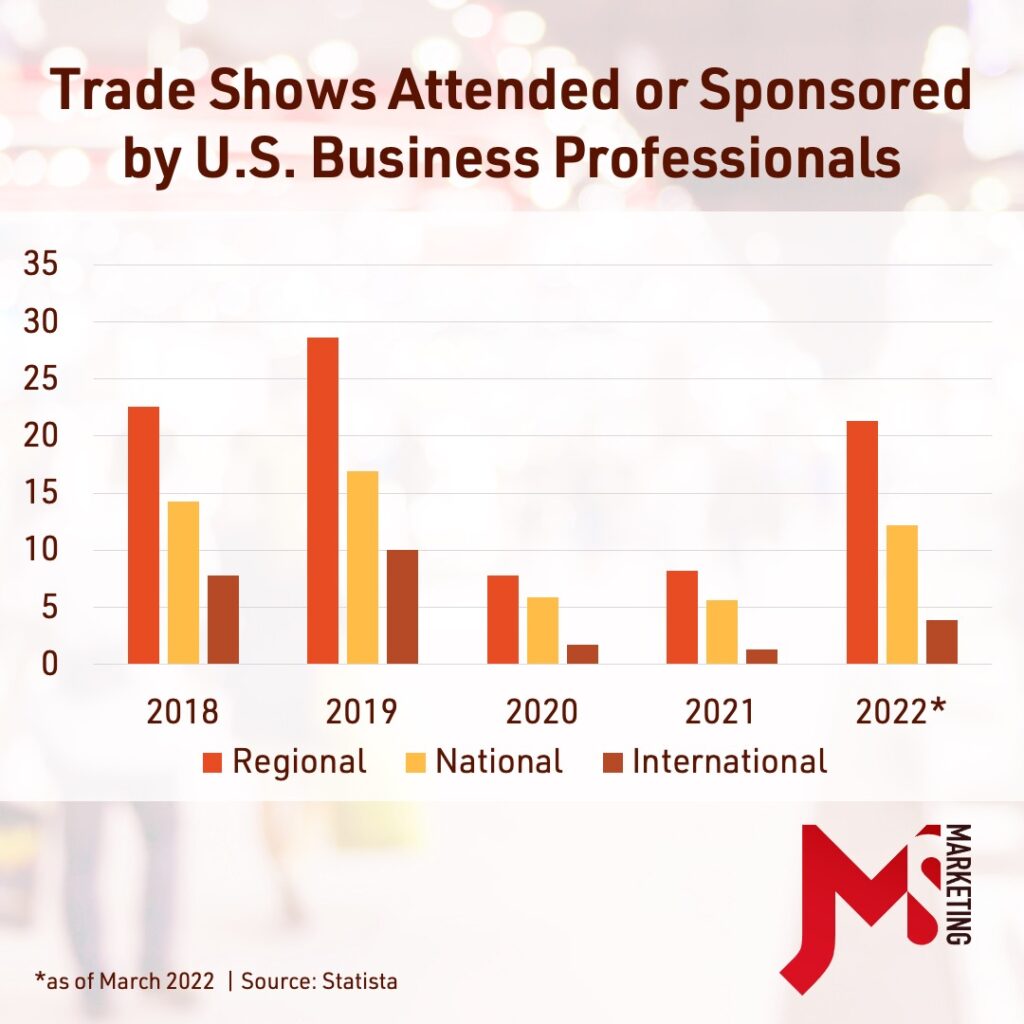 Thankfully, we’re seeing businesses relaxing a bit and considering events with significantly positive expectations post-pandemic. This is a good sign for event sponsorships.
Trade show and event sponsorships can be a great way to build your brand, your reputation, and your industry. But let’s face it, no one knows your brand as well as you. You know how your marketing is delivered and how your brand is presented and leveraged. If you’re not sure if a particular sponsorship is going to meet your goals, it’s best to do a little homework to get a sense of the host organization first. Selecting a sponsorship that means something to your company can positively impact your entire team and your customer base.
To help you decide, we’ve provided the following questions you should ask organizers before selecting an event sponsorship or trade show. There may be a significant cost investment necessary on your end. Be sure to gather as many details from the event organizers as you can. Then weigh the pros and cons against your business goals and objectives. Keep in mind that the amount you’ll pay could be more or less than the industry average depending on the size and popularity of the event.
- Visit the hosting organization’s website. Does it present a professional image? Is it up to date?
- How are sponsors from previous events portrayed on the event website?
- Are there opportunities to speak at the event?
The thought of speaking at an event can be intimidating, but the results are worth a few butterflies. - What type of profile information on past attendees is provided (revenue, number of employees, years in business, etc.)
- Will you receive a list of attendees before or after the event for marketing purposes?
- How will organizers promote the event and your sponsorship? Ask for quantifiable specifics.
- What was final attendance figure from the past two events?
NOTE: this should not include exhibitors, sponsors, or staff. - Are there any competitors within the sponsorship you’re considering?
- What exclusive sponsorship offerings are available and what are their benefits?
Successful event sponsors avoid costly sponsorship marketing mistakes by carefully vetting each sponsorship they sign up for and plan their marketing campaign months in advance. Pay close attention to who’s attending and the visibility of the current sponsors. Align your sponsorship with your mission or goal. The synergy that comes from teaming up for a great organization is certainly media worthy – not to mention it boosts morale and feels good to be building solutions.
Planning, Persistence, Patience – Marketing’s New 3 P’s
Happy New Year! We’ve been given a gift of new opportunities. And to quote Margaret Thatcher: “You may have to fight a battle more than once to win them.” Yet with planning, patience, and persistence, these opportunities will lead to great things.

After more than 30 years of business ownership, we can certainly attest to Thatcher’s bit of wisdom. It’s the good, the bad, and even the ugly that has helped JMS Marketing grow and evolve through the years. Yet we’ve built in plenty of time along the way to pause, listen and think things through as our industry – and industries our clients represent – continued to ebb and flow.
If you’re like most businesses, your intentions of documenting a marketing plan during the final months of last year were disrupted. No need to panic.
In business, it’s easy to feel overwhelmed, or simply have a lack of clarity. And if we’ve learned anything from the past two years, there will always be need to overcome roadblocks to growth (technology, data, culture, and more). However, it’s not necessary to handle all the roadblocks at the same time. The trick is to know how to prioritize, conduct regular assessments, and stay focused on your goals.
We’ve all been flooded with marketing strategies and technologies that guarantee an easy way to obtain those coveted sales contracts. There’s plenty out there, but not every approach is right for every company and/or product. Correction: YOUR company and/or product. That’s where the planning comes in. Take it down to the basics this month and plan your strategy – at least for the first quarter of the year.
- Identify your key goals: products/services on which to focus as well as their territories, industry markets, and of course, sales. Don’t forget to nurture your existing clients.
- Determine what to do: set your budget FIRST, allocate marketing tactics and track activities/results monthly. Make sure you build in flexibility. Be realistic.
- Celebrate the wins/adjust accordingly: Track your analytics each month. Note how you obtained an appointment or landed a contract. Not impressed with your numbers? Learn from them and adjust your plan for the next month.
- Be patient. Marketing takes time. Nothing happens overnight. It’s not just a question of one big ad here or there or handing out a fistful of brochures at a trade show. People need to go through a certain process, and you need to reach them several times before they’re going to be ready to buy from you. Align with your clients’ expectations and be as dynamic as possible to keep up with the changing climate.
What are your client’s sales journeys? We’re here to help you identify them.